
Our Trail Rating
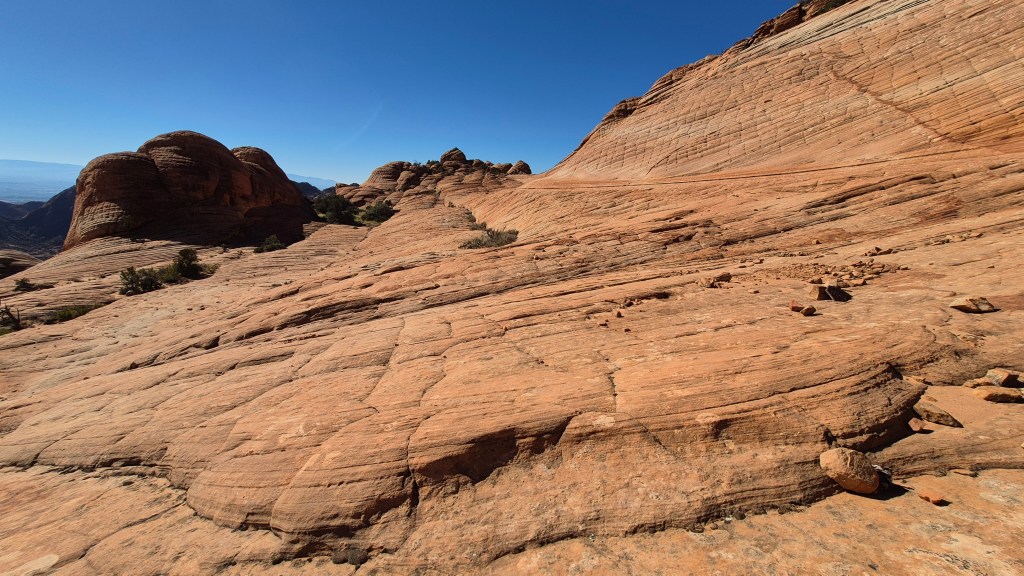
Yant Flat was one of the first hikes I ever did in Southern Utah. It’s been a while since my last visit, so I figured it was time to go back and rediscover what made me fall in love with Utah’s Dixie in the first place.
Yant Flat was one of the first hikes I ever did in Southern Utah. It’s been a while since my last visit, so I figured it was time to go back and rediscover what made me fall in love with Utah’s Dixie in the first place.
Known for its colorful sandstone formations, swirling patterns, and dramatic cliffs, Yant Flat is one of those places that seems almost too beautiful to be real. The area is often referred to as the Candy Cliffs, and once you see the landscape, you immediately understand why.
The hike to Yant Flat and Yellow Top offers a little bit of everything: a relatively easy approach, miles of fascinating sandstone to explore, and some truly spectacular scenery. Best of all, you don’t have to follow a rigid trail once you reach the formations. You can wander, explore, and make the experience your own.
It’s a choose-your-own-adventure kind of hike, and that’s a big part of its appeal.
Getting to the Yant Flat Trailhead
The drive to Yant Flat is part of the adventure.
The trailhead is located in the Dixie National Forest, northeast of Leeds, Utah. Most visitors access it from Interstate 15 via Exit 22 in Leeds, following Silver Reef Road before transitioning onto the network of Forest Service roads.
We approached from the south using Cottonwood Road which starts not too far from downtown St. George. We’d had a pretty wet fall, so the road was a little rough in places. Still, it was manageable in an all-wheel-drive vehicle.
Road conditions can change considerably depending on recent weather. While you don’t necessarily need a serious off-road vehicle, I wouldn’t take a low-clearance car up there after a good rain. Ruts, rocks, and muddy sections can make the drive considerably more challenging.
Allow yourself some extra driving time, and check conditions before heading out.
The Hike: From Sandy Trail to Candy Cliffs
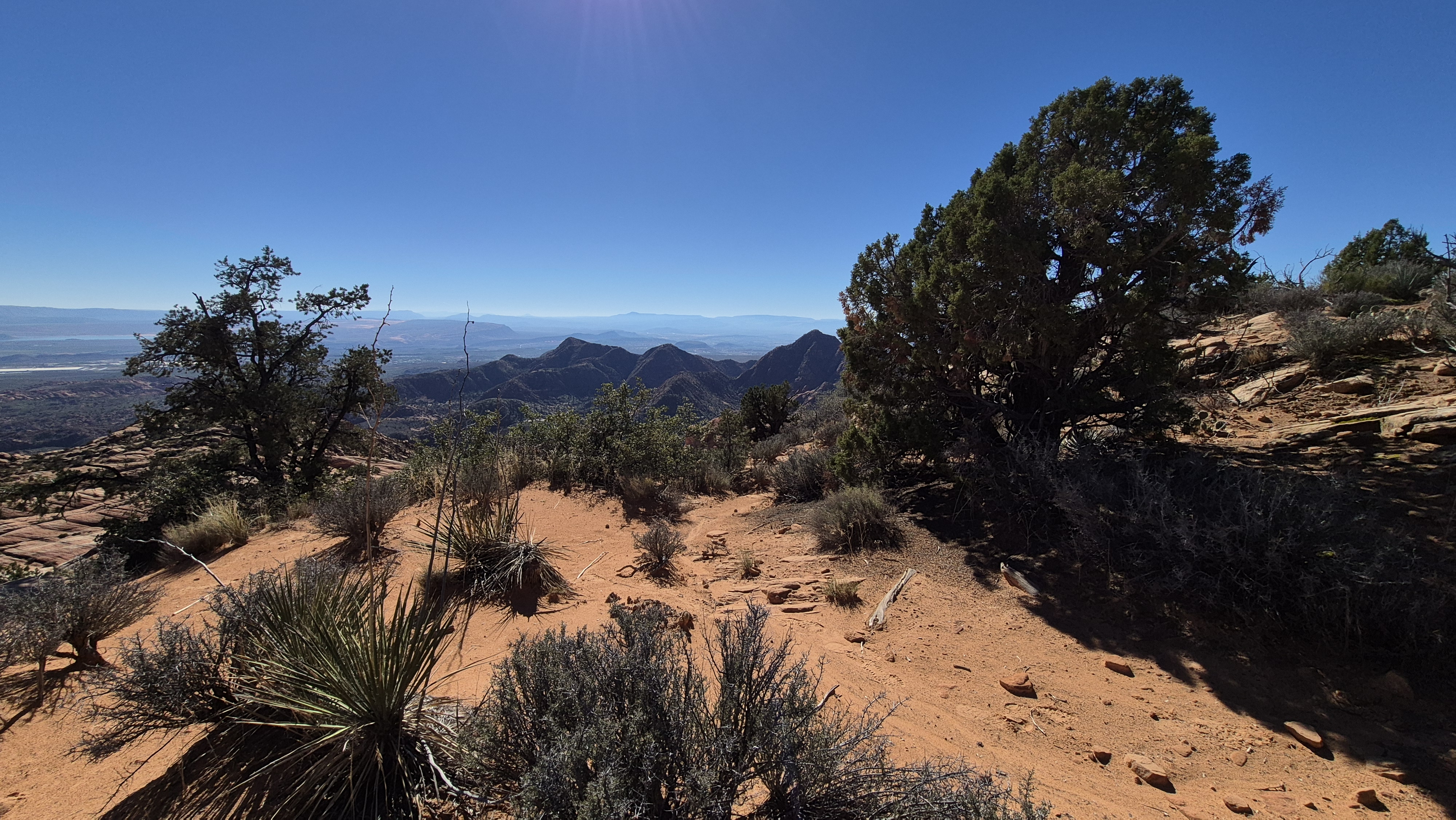
The beginning of the hike is interesting, but nothing compared to what’s waiting for you.
The beginning of the hike is interesting, but nothing compared to what’s waiting for you.
The trail starts with a relatively gradual walk through juniper and cedar tress, with a fair amount of sand underfoot. It’s not especially difficult, but the sandy surface can make the first part of the hike feel longer than it really is.
I actually didn’t mind it too much on this trip. The temperatures were in the low 60s, and after a wet fall, the sand wasn’t nearly as annoying as it can be during the summer. When the temperatures climb, that same stretch of trail can become a bit of a grind. Walking through hot, loose sand isn’t exactly my idea of a good time.
After roughly a mile or so, depending on the route you follow, the landscape begins to change. The trees become less prominent, the open sandstone starts to appear, and eventually you get your first real look at what makes Yant Flat special.
Exploring the Candy Cliffs
The best part of this hike is that the exploration is entirely up to you.
The Candy Cliffs are the reason Yant Flat has become increasingly popular over the past few years. Social media has certainly helped put this place on the map, and it’s easy to understand why people keep coming back.
The sandstone formations are spectacular. Orange, pink, red, and white layers twist and curve across the landscape, creating patterns that almost look painted onto the rock. Some areas are smooth and rounded, while others form dramatic bands and ledges that seem to stretch endlessly across the plateau.
It’s simply beautiful.
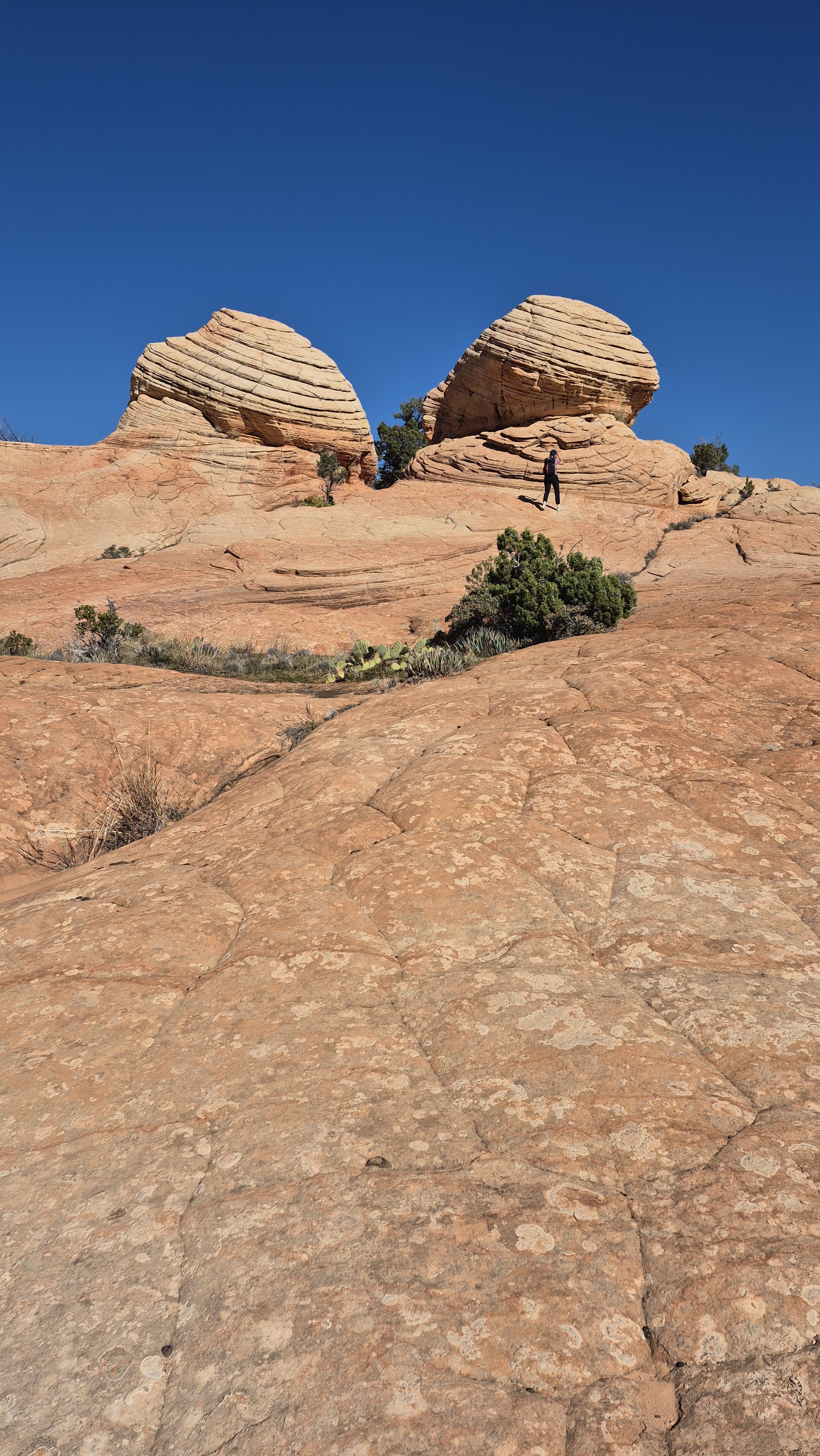
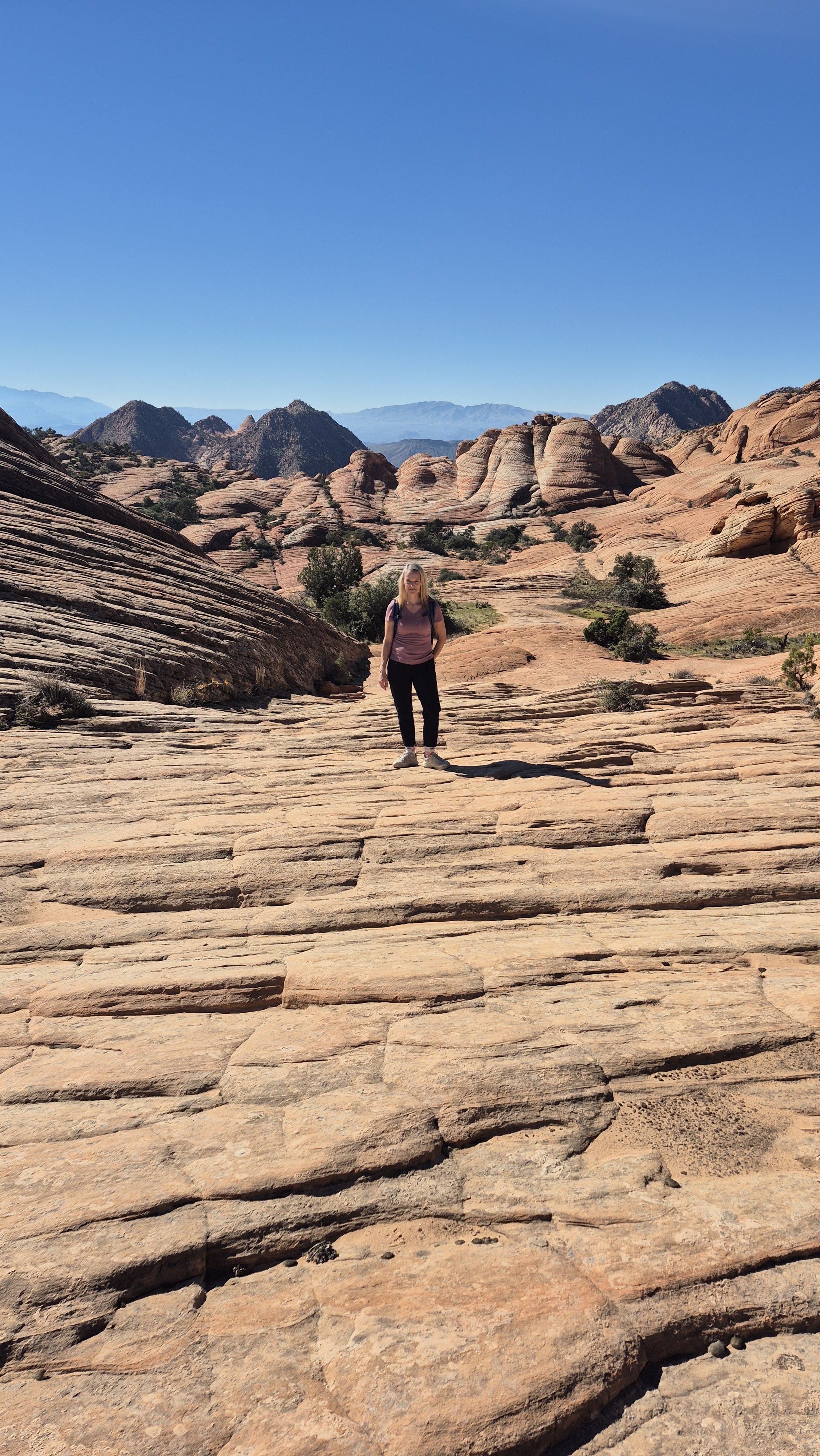
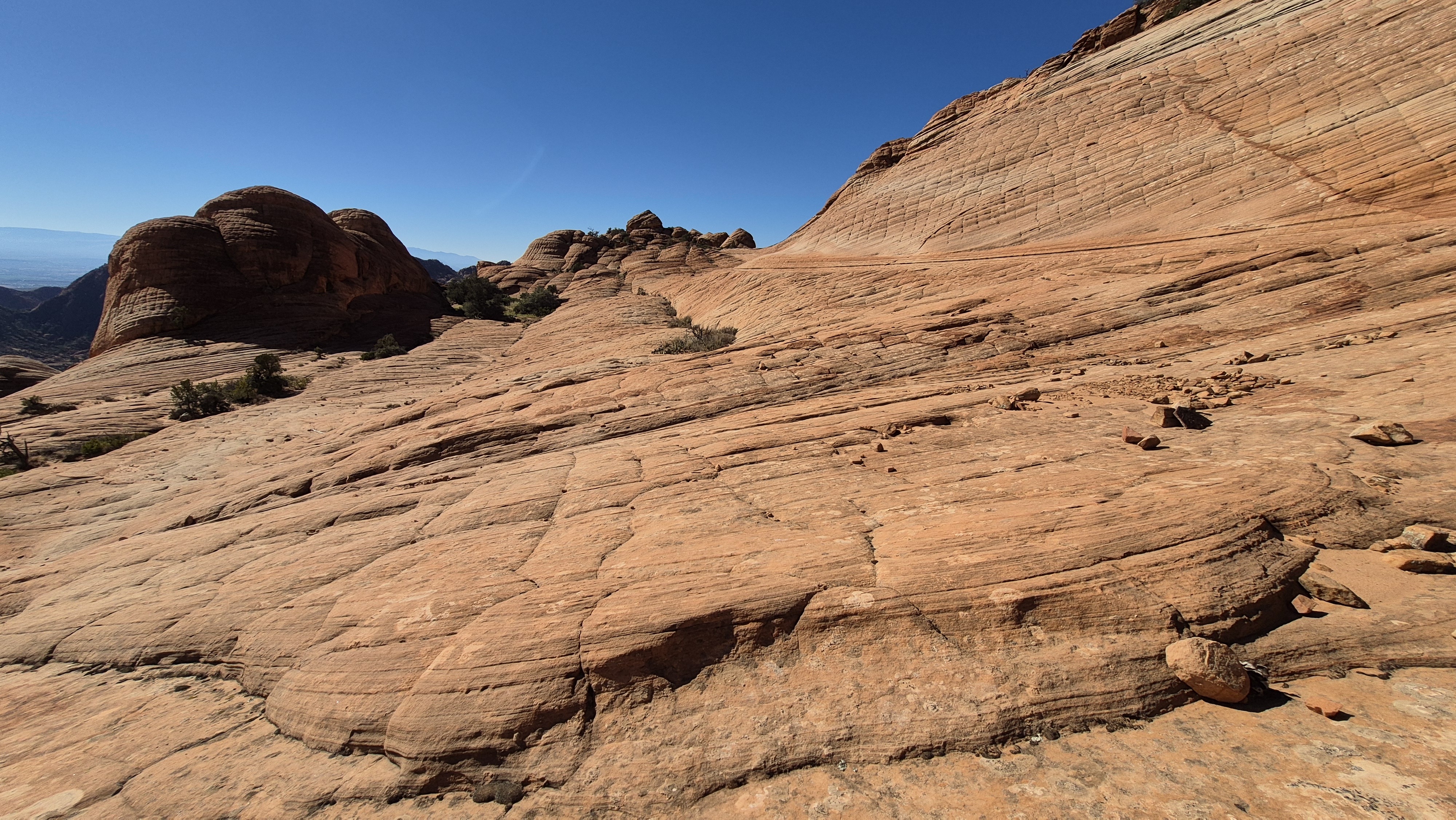
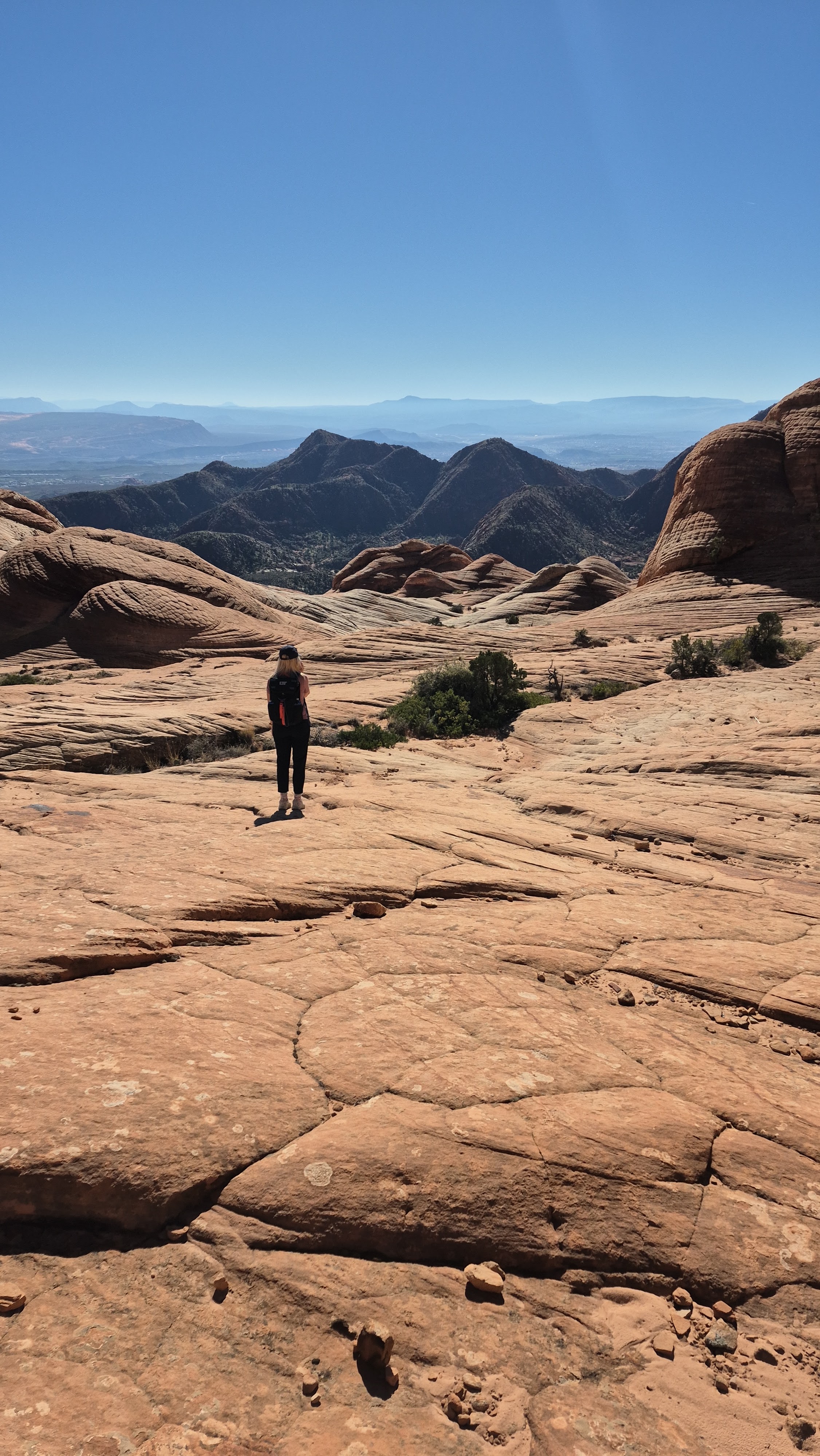
One of the things I like most about this hike is that once you reach the sandstone, you aren’t confined to a traditional trail. You can wander wherever you want, explore different formations, climb to overlooks, or find a quiet spot to sit and take it all in.
Don’t feel pressured to follow a particular route or check off every viewpoint. Some of the best parts of Yant Flat come from simply exploring.
Just keep an eye on your surroundings. There are some significant drop-offs, and the sandstone can be deceptively steep in places. Also, try to avoid walking on the fragile biological soil crust found throughout the desert.
Continuing on to Yellow Top
If you have the time and energy, consider continuing beyond the Candy Cliffs toward Yellow Top.
Yellow Top is another distinctive sandstone formation in the Yant Flat area, and it gives you another reason to keep exploring rather than turning around as soon as you reach the first set of colorful cliffs.
The route takes you farther into the sandstone landscape, with additional views of the surrounding terrain. Depending on how you navigate the area, you may find yourself descending into lower-lying formations and then climbing back toward the open slickrock.
This is where having a little extra time comes in handy. The terrain isn’t particularly strenuous, but exploring the various formations can easily turn a relatively short hike into a several-hour adventure.
On our visit, we covered approximately five miles. We probably could have explored much more, but eventually ran out of time.
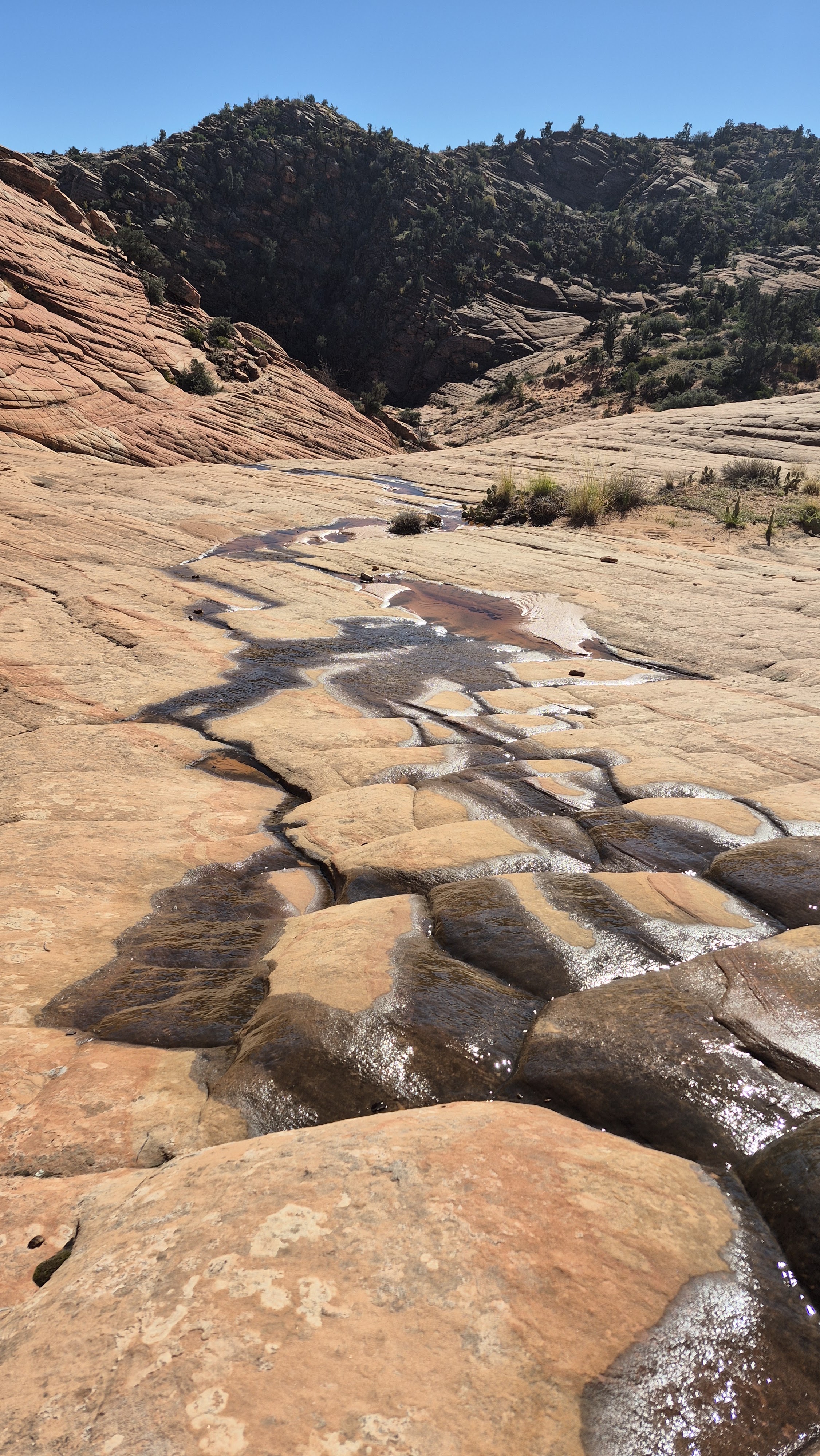
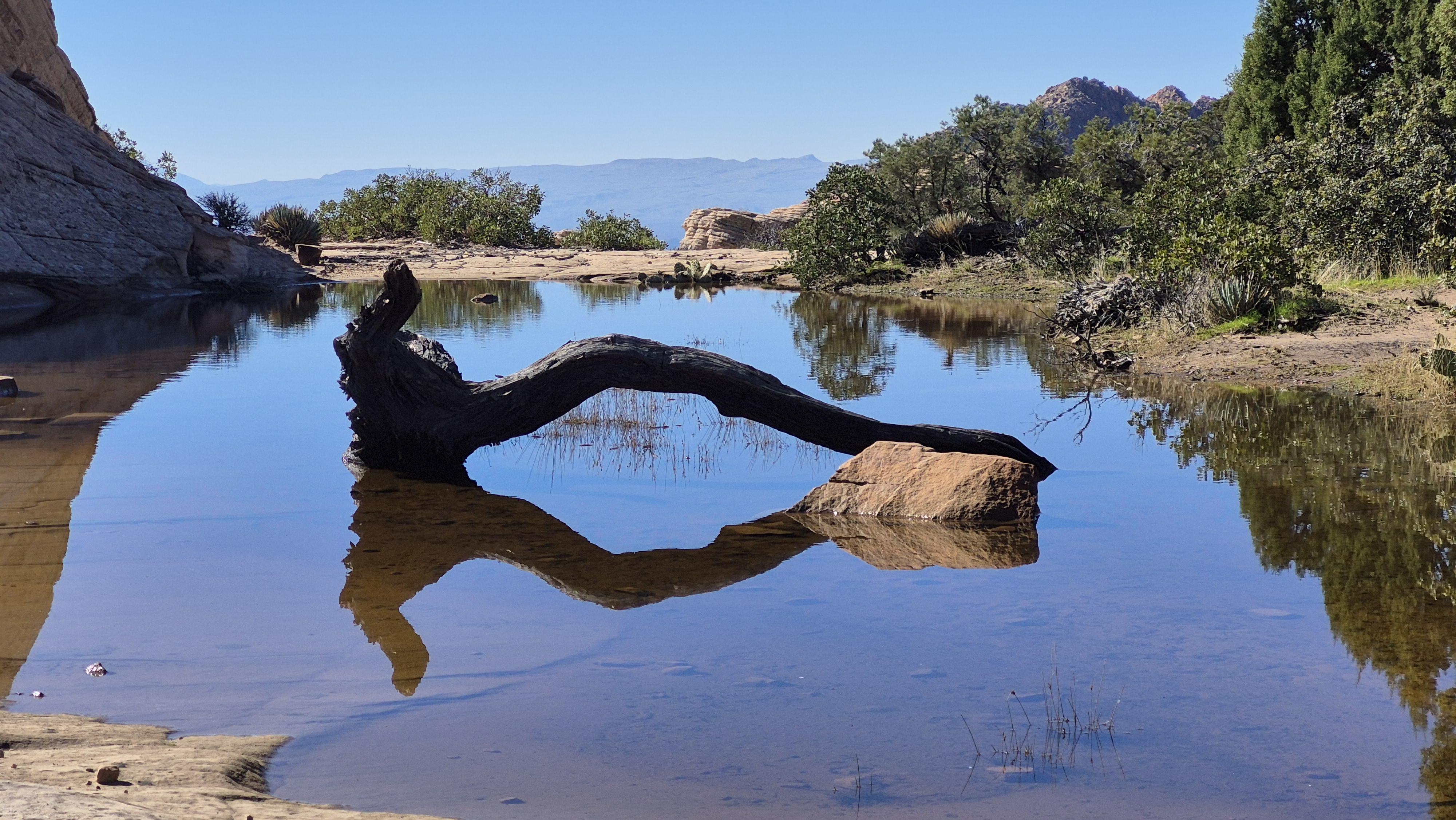
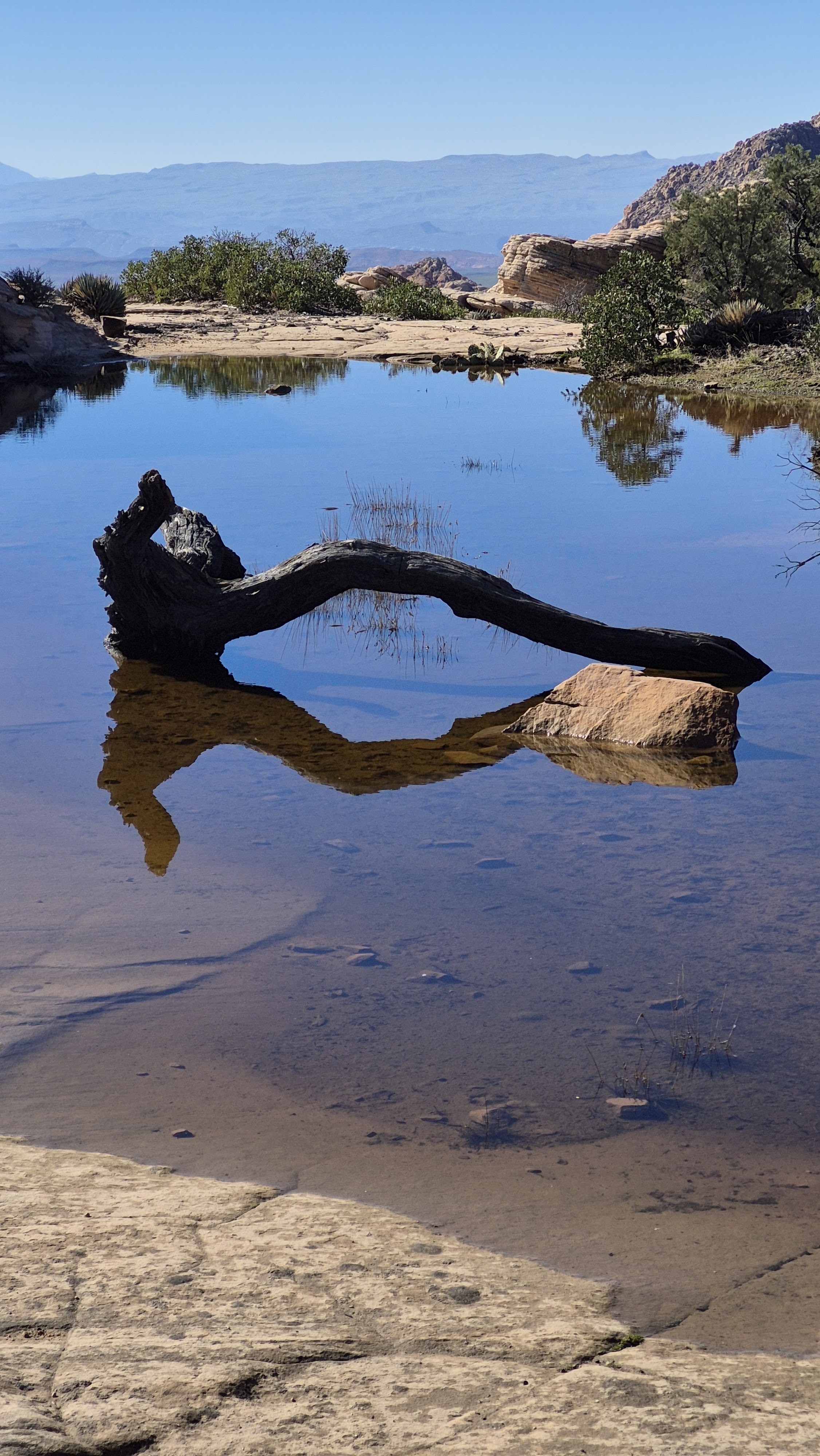
Along the way, we even came across a couple of small springs. That was a pleasant surprise, especially this late in the season. Water isn’t something I’d count on finding here, so don’t plan your hike around it.
How Difficult Is the Yant Flat Hike?
I’d put Yant Flat in the easy-to-moderate category, depending on how far you decide to explore.
The initial hike to the Candy Cliffs is relatively straightforward. There’s some loose sand, a gradual change in elevation, and very little in the way of technical hiking.
Once you reach the sandstone, however, the difficulty is largely up to you.
You can stay on the higher portions of the plateau, wander across the sandstone, or venture down into some of the lower formations. If you decide to explore Yellow Top and the surrounding areas, expect additional elevation changes and some uneven terrain.
This isn’t a hike where you’ll necessarily follow a clearly defined path from beginning to end. Cairns and informal routes can help, but they aren’t always obvious. It’s easy to lose track of your starting point when you’re wandering across miles of similar-looking sandstone.
I recommend downloading an offline map before you go and keeping track of where you entered the sandstone.
Best Time of Year to Visit Yant Flat
In my opinion, spring, fall, and winter are the best times to hike Yant Flat.
The trail sits at a higher elevation than St. George, which can make a noticeable difference during the warmer months. But that doesn’t mean summer is necessarily off the table. You just need to be prepared for the heat, particularly along the sandy approach where shade is limited.
We visited on a beautiful fall day, with temperatures in the low 60s. It was just about perfect hiking weather.
I’d also recommend considering the time of day. Early morning and late afternoon offer some of the best lighting for photographing the sandstone. The changing sunlight brings out the different colors and textures in the rock, making an already beautiful landscape even more impressive.
Midday is perfectly fine for hiking, but the sandstone colors can look a little flatter under harsh overhead sunlight.
Yant Flat Hike: What You Need to Know
Here are a few things worth knowing before heading out:
| Detail | Information |
|---|---|
| Location | Dixie National Forest, near Leeds, Utah |
| Distance | Approximately 5–5.5 miles round trip |
| Elevation gain | Approximately 800 feet (route dependent) |
| Difficulty | Easy to moderate |
| Trail type | Out and back, with informal exploration routes |
| Best season | Spring, fall, and winter |
| Permit | No standard hiking permit required |
| Dogs | Allowed on leash |
Final Thoughts: Is Yant Flat Worth Visiting?
Absolutely.
Yant Flat is one of those places that reminds me why I love exploring Southern Utah. It’s not necessarily a particularly challenging hike, and you don’t have to put in 10 miles to experience something spectacular. Instead, it’s a chance to slow down, wander around, and appreciate a landscape that looks like it belongs somewhere else entirely.
I can understand why it’s becoming more popular. Social media has introduced more people to the Candy Cliffs, and while I sometimes miss the days when these places felt a little more undiscovered, I can’t blame anyone for wanting to see them.
We spent about five miles exploring Yant Flat and Yellow Top, and even that wasn’t enough to see everything. There are so many different formations, viewpoints, and little pockets of sandstone that you could easily spend an entire afternoon wandering around.
It’s also a great reminder that some of the best hiking experiences aren’t necessarily about reaching a particular destination. Sometimes the fun is simply getting out there and seeing what you can find.
Yant Flat did that for me years ago, and it was fun to be reminded of it all over again.


Leave a Reply