
Hiking in the desert is one of the most rewarding outdoor experiences — breathtaking views, unique landscapes, and a true sense of adventure. But when temperatures climb above 90°F, what you choose to wear can make all the difference between a great hike and an uncomfortable (or even dangerous) one. After many hikes in the Desert Southwest, I’ve learned some hard-earned lessons on how to stay comfortable, cool, and protected from the sun. Here’s what to wear hiking in the desert heat — grounded in experience and backed by practical advice.
Why Desert Hiking Clothing Matters More Than You Think
Desert environments are harsh. The sun beats down relentlessly, UV exposure is intense, and shade is often scarce. Without the right clothing, you risk sunburn, heat exhaustion, and dehydration. Proper desert hiking gear reduces sun exposure, helps regulate body temperature, and lets you enjoy the trail instead of dreading every step.
My Experience Hiking in 90+ Degree Desert Heat
I’ve lived in and hiked throughout the Desert Southwest for years. Temperatures of 90°F and above are the norm, not the exception. One strategy I always stick to is timing my hikes to avoid the hottest part of the day. Starting early in the morning or heading out late in the afternoon — especially for shorter hikes — helps me avoid peak heat.
Over the years, I’ve experimented with clothing combinations. Turns out, what feels best and works best in the desert isn’t always what you’d expect.
How Much Water Do You Need to Hike in the Desert?
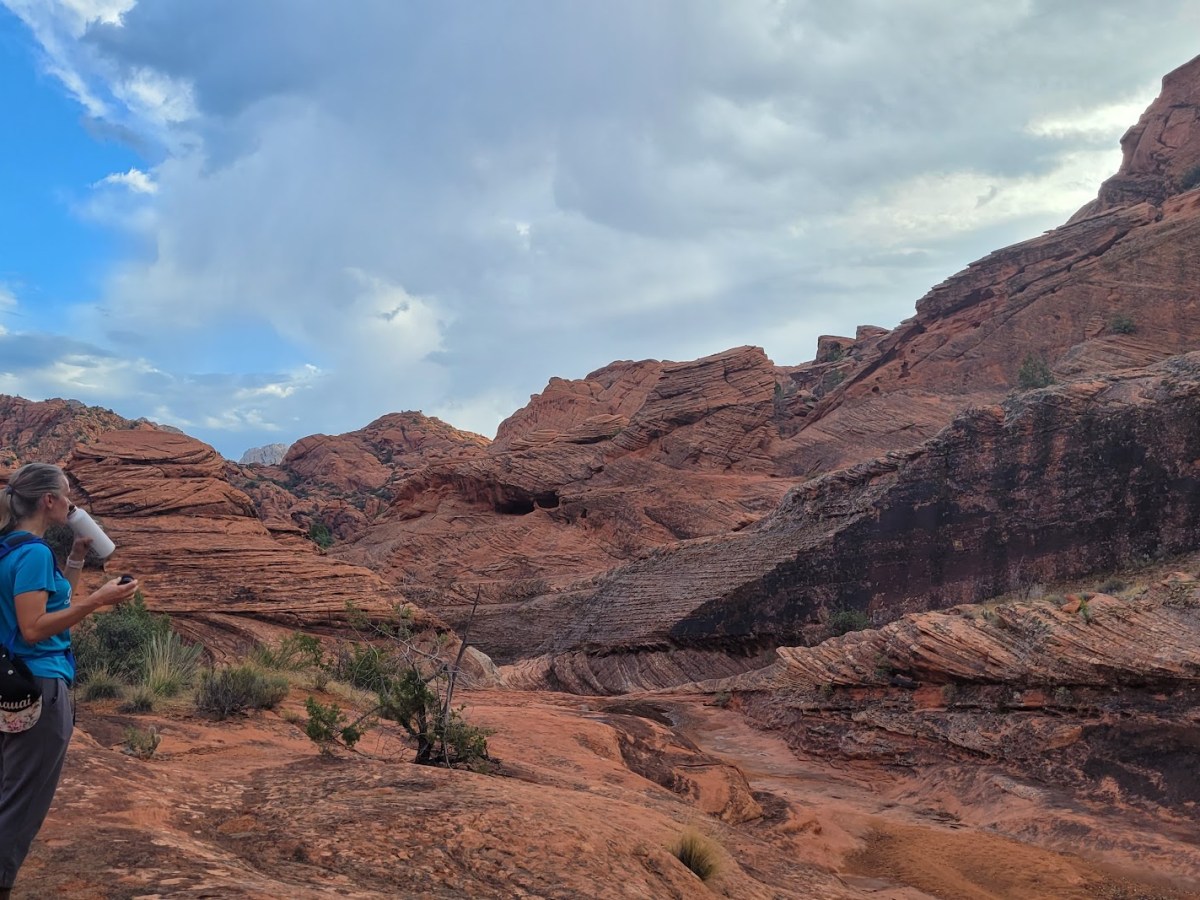
There’s a simple rule most experienced desert hikers follow, and it’s a good place to start: in moderate conditions, plan on about half a liter of water per hour. Once…
The Best Shirts for Desert Hiking (Short Sleeve vs Long Sleeve)
Why Lightweight Long Sleeves Often Win
It may seem counterintuitive, but lightweight long sleeve shirts often keep you cooler in desert heat than short sleeves. Long sleeves protect your skin from direct sun, reduce the risk of sunburn, and help prevent overheating by keeping UV rays off your skin. I prefer shirts made from breathable, moisture-wicking fabrics like polyester or poly/cotton blends — they help air circulate while pulling sweat away from your body.
Some people say cotton is uncomfortable because it doesn’t dry out as fast and stays wet for longer. Sometimes I’ve found that to be a benefit: a slight breeze on a wet shirt is often a delightful relief to the sweltering heat. In the end, it’s personal preference. You do you.
When Short Sleeves Work
For shorter hikes or early morning treks, short sleeve shirts can work well — especially if you’re carrying sunscreen and reapplying as needed. Just keep in mind that direct sun on bare skin can add up quickly.
Best Pants or Shorts for Desert Hiking
Lightweight Pants: The Best All‑Around Choice
Lightweight hiking pants are one of my go-to pieces of clothing. In the desert, they offer protection not just from the sun but also from thorny plants, sand, and rocks. Look for pants with breathable fabrics and ventilated panels for airflow. Even when it’s hot, I often choose lightweight long pants for the added protection they provide.
When Shorts Make Sense
Shorts can be comfortable for early morning or late afternoon hikes when the sun isn’t as intense. Just pair them with sunscreen and be prepared to reapply.
Why a Hat Is Non-Negotiable in the Desert
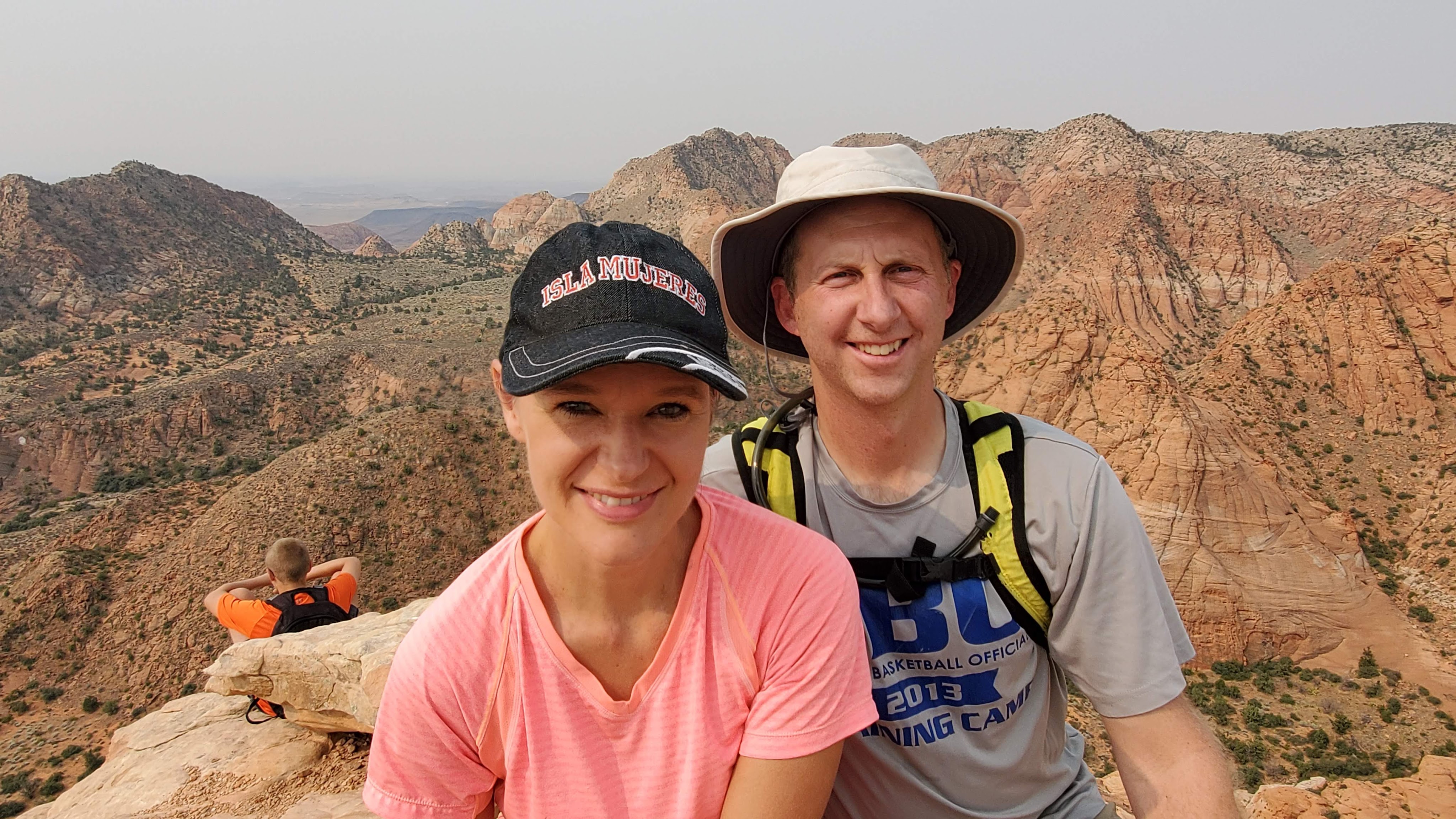
If you take nothing else from this guide, remember this: a hat isn’t optional — it’s essential. A wide-brim hat protects your face, neck, and ears from the sun and keeps your head cooler by providing a shaded buffer. Hats with ventilation and moisture-wicking sweatbands are especially helpful.
I see a lot of people hiking in the heat with a baseball cap. There’s nothing wrong with that. I do it sometimes too. But the baseball cap won’t protect your neck or ears. I don’t know about you, but those are areas of my body that are especially susceptible to burning.
Sunglasses in the Desert: A Lesson I Learned the Hard Way
For years, I hiked without sunglasses. I thought a hat was enough. But a visit to my eye doctor changed that. I was told the edges of my cornea were being damaged from too much sun exposure — a real eye health concern.
Now, I never hit the trail without polarized sunglasses. They reduce glare, protect your eyes from harmful UV rays, and help you see terrain more clearly. It’s one of the simplest and most effective ways to protect your eyes on hot, sunny hikes.
Choosing the Right Fabrics for Hot Weather Hiking
When hiking in desert heat, fabric choice matters nearly as much as coverage.
- Breathable, moisture‑wicking materials like polyester and nylon help evaporate sweat and keep you cooler.
- Light colors reflect sunlight rather than absorb it.
- UPF‑rated clothing offers an added layer of sun protection, cutting down on UV exposure even when the sun feels less intense.
- Avoid 100% cotton — it holds moisture and can make you feel hotter and heavier.
Whether it’s long sleeves, pants, or a sun shirt, aim for fabric that moves moisture away from your skin and allows airflow.
Essential Desert Hiking Accessories
Aside from clothing, a few accessories can make a big difference:
- Neck gaiter or buff: Keeps sun off your neck, and can be soaked in water to help cool you down.
- Polarized sunglasses: Protect your eyes and improve visibility in bright conditions.
- Sun gloves: Lightweight gloves can protect your hands without trapping heat. I find this a little excessive, but to each their own.
- Cooling towel: Great for wrapping around your neck during breaks.
Pro Tips to Stay Cool While Hiking in Extreme Heat
- Avoid peak sun hours — start early or go late in the day.
- Cover up instead of exposing skin — shade is your friend.
- Stay hydrated — sip water frequently, even if you don’t feel thirsty.
These simple strategies, combined with the right clothing and gear, can turn a hot hike into a comfortable adventure.
What NOT to Wear Hiking in the Desert
Avoid:
- Heavy, dark fabrics — they absorb heat and hold it against your body.
- Non‑breathable clothing — limits airflow and traps sweat.
- Tight clothing — restricts airflow and increases heat buildup.
Stick to light, breathable, and sun‑aware choices instead.
Final Thoughts: Dress Smart, Hike Longer
Hiking in the desert heat is challenging, but it can be incredibly rewarding — especially when you’re prepared. Through countless hikes in the Desert Southwest, I’ve learned that smart clothing choices make all the difference. Lightweight long sleeves, ventilated pants, a must‑have hat, and polarized sunglasses are staples in my gear. Combine that with sensible timing and hydration, and you’ll stay cool and safe on even the hottest trails.
FAQs: Your Desert Hiking Clothing Questions Answered
Q: Is it better to wear long sleeves in the desert heat?
A: Often yes — lightweight long sleeves protect skin from UV rays and can keep you cooler than short sleeves.
Q: Are shorts or pants better for desert hiking?
A: Lightweight long pants usually offer the best protection and comfort, though shorts can work for shorter, cooler hikes.
Q: What colors should you wear in the desert?
A: Light colors reflect sunlight and help keep you cooler.
Q: Do you really need sunglasses while hiking?
A: Yes — polarized sunglasses protect eyes from UV damage and glare.
Q: What fabric is best for hot weather hiking?
A: Breathable, moisture‑wicking fabrics like polyester, nylon, or merino blends work best.
 That Outdoor Site
Leave a comment